
DevSecOps: Making Security Everyone’s Responsibility
Cloud Architecture & DevOps

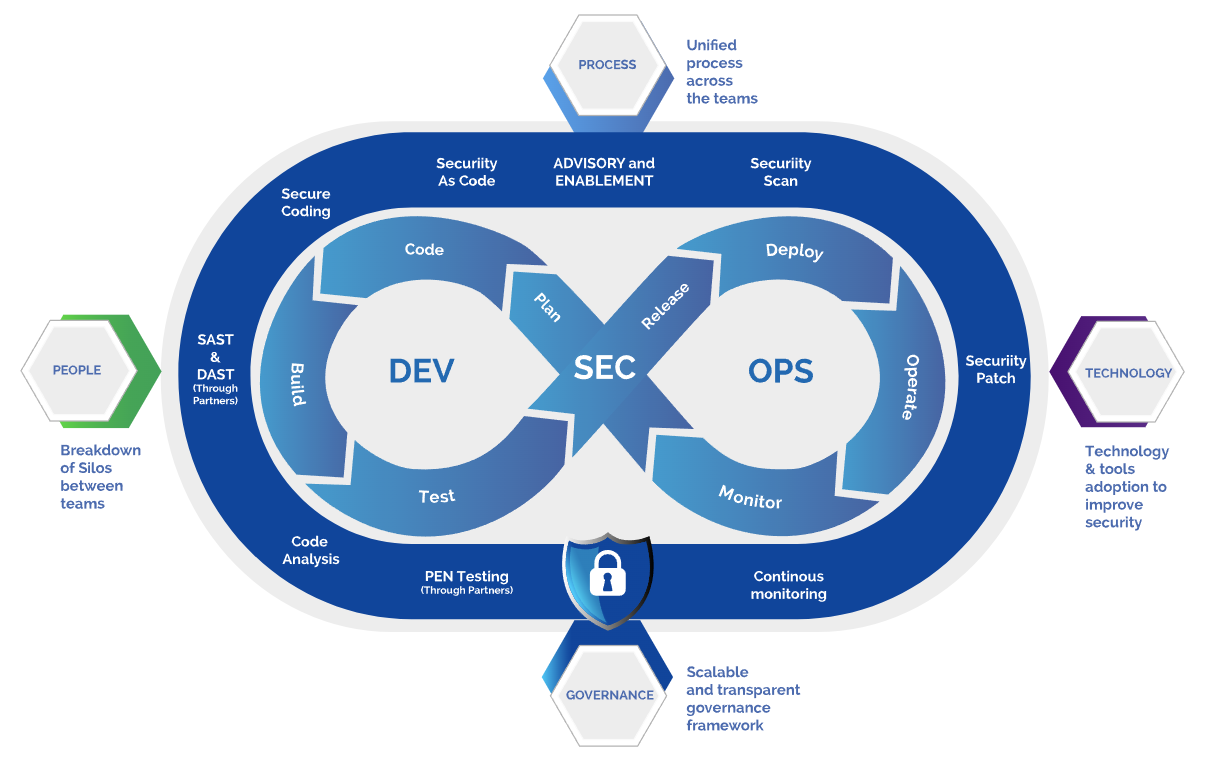
In today’s fast-moving world of cloud computing and continuous delivery, security can’t be an afterthought. Gone are the days of treating it as a final checkpoint before deployment. Instead, it needs to be part of every stage in the development and operations process. That’s the essence of DevSecOps, a shift in mindset where security becomes a shared responsibility across teams.
This post is part of a series designed to guide you from foundational concepts to expert-level practices in cloud architecture and DevOps. If you want more in-depth coverage, I’ll include a link to the full article on Medium.
Why DevSecOps Matters
DevSecOps builds on the principles of secure software development (SSDLC), but it’s not just a set of security steps to follow. It’s a way of working that blends security into the daily activities of development and operations teams. The result? Issues are caught early, risks are reduced, and features can be delivered faster, without sacrificing security.
The key pillars of DevSecOps include:
Automation: Tools that scan for vulnerabilities and enforce security policies automatically.
Shared Responsibility: Security is no longer just the job of a separate team. Developers, testers, and operations staff all contribute.
Continuous Feedback: Frequent scans and quick feedback loops ensure teams can act on issues right away.
Collaboration: Breaking down silos between teams helps ensure secure code from the start. Security experts work closely with developers to bake security into the code from the start.
Modern Strategies for DevSecOps Adoption
Adopting DevSecOps effectively requires a mix of cultural shifts and technical strategies. Here are some proven approaches to make the transition smoother:
Security Champions Program: Identify engineers within development teams to act as “security champions.” These individuals receive extra training and serve as liaisons between developers and security teams, spreading knowledge and ensuring security best practices are followed.
Gamification and Hackathons: Engage developers through gamified exercises like internal bug bounties or hackathons. These activities make security more approachable and encourage teams to think like attackers.
Toolchain Integration: Integrate security tools seamlessly into existing workflows. For example, use tools for Software Composition Analysis (SCA) to check dependencies or dynamic analysis tools during integration tests.
Security-First KPIs: Shift the focus from purely speed-oriented metrics to ones that highlight security progress. Metrics like time-to-remediate vulnerabilities and compliance audit pass rates help track success.
Continuous Training: Regular workshops, threat modeling exercises, and hands-on practice help keep teams sharp and aligned with the latest security practices.
By starting small and expanding gradually, these strategies can help make security a natural part of your DevOps processes.
Key Metrics for Measuring DevSecOps Success
Tracking progress is crucial to understanding how well your DevSecOps practices are working. Here are eight key metrics that can help you measure success:
Time-to-Remediate (TTR) Vulnerabilities
What it Measures: The time it takes to fix a discovered vulnerability from identification to patch deployment.
Why it Matters: Faster remediation means your team is actively addressing risks and integrating security fixes into the development cycle.
Vulnerability Density per Release
What it Measures: The number of security issues (e.g., CVEs or high-severity vulnerabilities) per release or 1,000 lines of code.
Why it Matters: Tracking this over time reveals whether the codebase is becoming more secure or if new features introduce vulnerabilities.
Mean Time to Detect (MTTD) Security Incidents
What it Measures: The average time to detect a security issue after it occurs.
Why it Matters: A shorter detection time reflects effective monitoring and alerting systems.
Percent of Code Passing Security Checks at First Commit
What it Measures: The percentage of commits that pass automated security checks (e.g., static analysis, dependency scans) without rework.
Why it Matters: A high pass rate shows developers are consistently applying secure coding practices early.
Compliance Audit Pass Rate
What it Measures: The percentage of builds, deployments, or configurations that meet internal security and compliance policies without exceptions.
Why it Matters: High compliance rates indicate policies are well-integrated and reduce manual interventions.
Number of Security-Related Rollbacks or Hotfixes
What it Measures: The frequency of rollbacks or hotfixes due to late-discovered vulnerabilities.
Why it Matters: Fewer emergency fixes suggest early security controls are effective and catching issues before production.
Developer Security Training Completion and Scores
What it Measures: The number of developers completing security training and their assessment scores.
Why it Matters: Security-aware developers are better equipped to write secure code, improving overall outcomes.
Security Debt Over Time
What it Measures: The backlog of unresolved security issues, such as vulnerabilities or outdated dependencies.
Why it Matters: Controlling security debt ensures long-term improvement and reduces risks.
By focusing on these metrics, teams can understand their security posture in measurable ways, align their efforts with goals, and continuously improve.
Best Practices for DevSecOps
If you’re looking to get started or improve your DevSecOps practice, here are some actionable steps:
Shift Left: Move security checks to the earliest stages of development, such as using static code analysis and threat modeling.
Security as Code: Treat security policies like code—version-controlled and automated.
Automate Policy Enforcement: Use tools to reject non-compliant builds automatically.
Start Small: Add one or two security checks early in development and expand as your team gets comfortable.
Celebrate Wins: Acknowledge team members who proactively fix vulnerabilities or improve security processes. Positive reinforcement goes a long way.
Moving Forward
DevSecOps is more than a buzzword, it’s a transformative approach to building secure, resilient software. By weaving security into every step of the pipeline and fostering a culture of collaboration and learning, your organization can reduce vulnerabilities while staying agile and innovative.
In the next post, we’ll move from culture to action, diving into tools and techniques for Application Security Testing in CI/CD Pipelines. With the right foundation in place, your team will be ready to take DevSecOps to the next level.
To dive deeper into this topic, check out the full article on Medium. Let’s keep building smarter, safer systems, one step at a time.