
The Wall is Coming Down: What Builders Should Know About Tokenized Assets and Cross-Chain Protocols
Blockchain & Web3

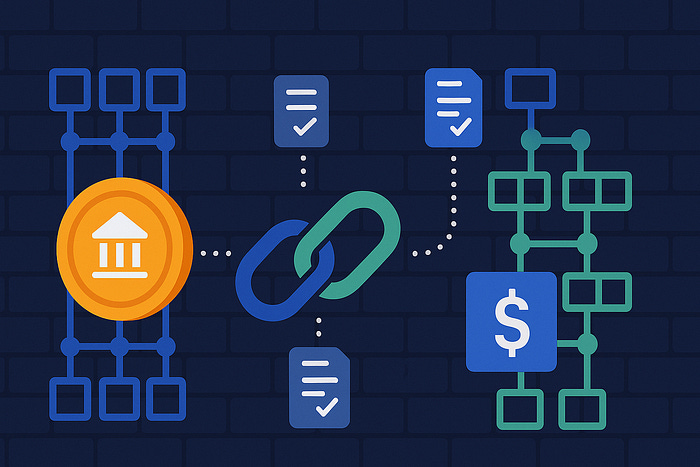
For a long time, traditional financial institutions kept their blockchain efforts behind closed doors. Private ledgers offered control and compliance, making them the safe bet for early adoption. But this approach came at a cost, fragmented liquidity and stalled innovation.
That’s beginning to change.
On May 14, 2025, JPMorgan made headlines by completing its first tokenized U.S. Treasury transaction on a public blockchain. Partnering with Chainlink and Ondo Finance, this wasn’t just a proof of concept, it was a real shift in direction.
👉 Press release on the transaction
For developers, architects, and system designers, this isn’t just exciting news, it’s a signal. Tokenized assets and cross-chain protocols are moving from experiments to production. If you’re building in Web3 or enterprise blockchain, it’s time to get familiar.
What Are Tokenized Assets?
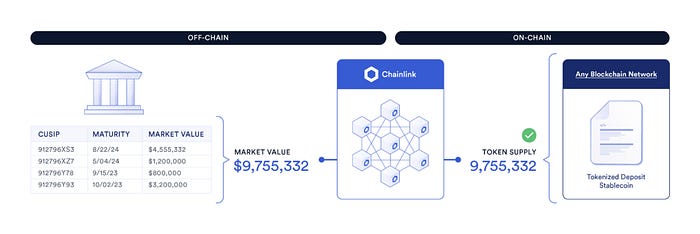
Tokenization means representing real-world assets (RWAs) as digital tokens on a blockchain. These can include:
Fiat currencies (like USDC or USDT)
Bonds and treasuries (such as Ondo’s OUSG)
Real estate, stocks, and commodities
Collectibles, private equity, and alternative assets
Unlike native crypto, these tokens are backed by off-chain assets. They serve as a bridge between traditional finance and decentralized platforms, offering benefits like:
Fractional ownership and liquidity
Transparent, on-chain tracking
Faster settlements
Global access without intermediaries
But tokenizing real assets also brings new challenges, especially around custody, compliance, and interoperability across public and private chains.
Why Cross-Chain Interoperability Matters
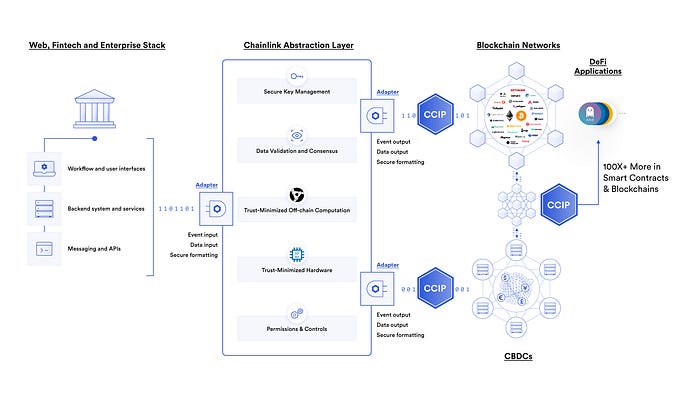
The blockchain landscape is still fragmented. Private chains offer control, but they isolate assets. Public chains offer openness but raise concerns around compliance, scalability, and privacy.
To unlock the full value of tokenized assets, we need interoperability, the ability to move assets securely and seamlessly across chains.
This enables:
Settlements across public and private platforms
Access to liquidity from DeFi protocols
Real-time value exchange without silos
That’s where protocols like Chainlink CCIP come in. They provide the secure messaging layer needed to validate transactions, move state across networks, and coordinate actions like Delivery versus Payment (DvP).
Interoperability isn’t just technical plumbing, it’s the foundation for merging DeFi and TradFi.
Case Study: JPMorgan’s Treasury Transaction
Let’s revisit JPMorgan’s recent milestone:
Asset: Tokenized U.S. Treasuries (OUSG) issued on a public blockchain
Settlement: Conducted via JPMorgan’s private ledger, Kinexys
Orchestration: Enabled by Chainlink’s runtime for cross-chain DvP settlement
Here’s the key takeaway: This wasn’t a walled-garden test. It was a live, cross-chain integration involving public infrastructure. Chainlink acted as the bridge, ensuring atomic, secure coordination.
The architectural blueprint is becoming clear:
Private chains for control
Public chains for visibility
Chainlink for secure, cross-chain operations
This is likely to become the default model for institutional blockchain adoption.
Under the Hood: How Cross-Chain Settlement Works
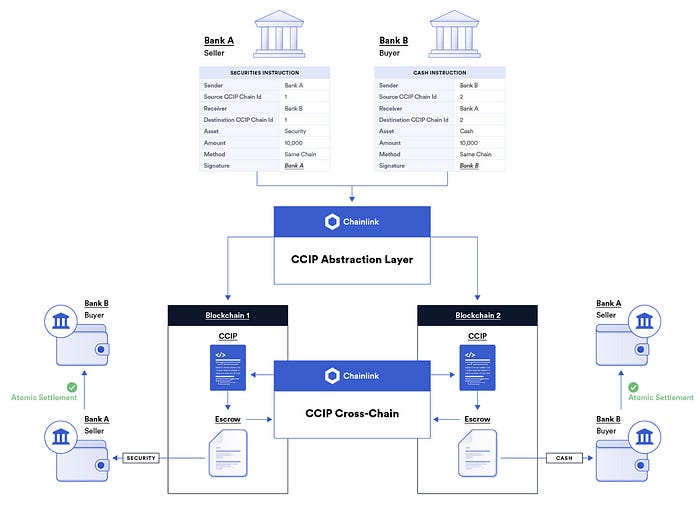
Let’s look at how a typical tokenized asset settlement plays out:
Tokenization
A real-world asset (e.g., a Treasury) is tokenized
A token contract is deployed (often on a public chain)
Transaction Initiation
A party initiates a transfer or trade
Smart contracts validate ownership, compliance, and asset availability
Cross-Chain Communication
CCIP passes secure messages across chains
Cryptographic proofs ensure state integrity
Settlement Coordination
Delivery versus Payment logic ensures both sides of the transaction happen atomically
Finalization
Settlement is recorded on both chains
Entries are visible and auditable
To build this kind of flow, developers must be fluent in:
ERC standards (e.g., ERC-20, ERC-1400)
Oracles and off-chain data verification
Cross-chain protocols like CCIP, IBC, and LayerZero
What Builders Should Know
If you’re designing tokenized asset systems, here are the key priorities:
🔐 Security
Validate all cross-chain transitions
Prevent replay and double-spend attacks
Use trusted oracles with solid security records
🧾 Compliance
Integrate KYC/AML checks where needed
Add permissioned layers to protect sensitive workflows
🚀 Scalability
Write gas-efficient smart contracts
Consider Layer 2 networks for performance
🌉 Interoperability
Use widely adopted protocols like Chainlink CCIP
Monitor evolving standards and ecosystem trends
Building in this space isn’t just about deploying tokens. It’s about securing every layer of a multi-chain, multi-party infrastructure.
Final Thoughts: Why This Moment Matters
JPMorgan’s transaction marks a turning point. Public and private chains are no longer separate lanes, they’re starting to merge.
For developers and architects, this convergence is a call to action. Understanding tokenized assets and cross-chain infrastructure is no longer optional. It’s now essential for anyone building in modern blockchain environments.
Best Practices to Keep in Mind:
Architect with interoperability from the start
Use secure, proven cross-chain protocols
Bake in compliance, scalability, and risk management
Keep an eye on emerging standards
The wall is coming down between private and public blockchains. Now is the time to build the bridges.
Want the full deep dive? Check out my full article on Medium.
🚀 Stay tuned for more posts in Blockchain & Web3! Follow for more insights on securing AI, cloud, and Web3.
Blockchain & Web3 - table of contents included.
The Wall is Coming Down: What Builders Should Know About Tokenized Assets and Cross-Chain Protocols